
Best Personal Locator Beacons for Safety-First Adventures

For safety-first adventures, you’ll want a beacon that matches your risk and travel style. If you want a subscription-free PLB, the ACR ResQLink 400 SOS, ACR ResQLink View SOS, Ocean Signal rescueME PLB1, McMurdo FastFind 220, and Jotron SA20 all offer global 406 MHz distress alerts. If you need two-way messaging, Garmin inReach Mini 2 or ZOLEO add SOS and texting, but they do require a plan. Keep going to compare the best fit for you.
Key Takeaways
- For true no-subscription emergency signaling, the ACR ResQLink 400 SOS and Ocean Signal rescueME PLB1 are strong 406 MHz PLB options.
- The ACR RESQLink AIS PLB-450 adds 121.5 MHz homing and AIS distress broadcasts to nearby vessels, improving rescue visibility.
- For confirmation that your distress alert was received, consider PLBs with Return Link Service like the ACR ResQLink View SOS or Jotron SA20.
- If you want low-light visibility, choose PLBs with LED and infrared strobes, such as the ACR ResQLink 400 SOS.
- For two-way messaging and interactive SOS, Garmin inReach Mini 2 and ZOLEO are better than PLBs, but they require subscriptions.
ACR ResQLink 400 SOS Personal Locator Beacon

If you want a compact emergency beacon for hiking, hunting, boating, or fishing, the ACR ResQLink 400 SOS Personal Locator Beacon stands out with its 406 MHz distress and homing signals plus global satellite coverage through Cospas-Sarsat and MEOSAR. You don’t need a subscription, and its integrated GPS and Galileo GNSS help rescuers pinpoint you fast. An LED strobe boosts nighttime visibility, while the infrared strobe helps night-vision teams find you. At 5.3 ounces and 4.52 x 2.03 x 1.49 inches, it stays portable. ACR Electronics backs the PLB-400 with a battery included and warranty support.
Best For: Outdoor adventurers like hikers, hunters, boaters, and fishers who want a compact, no-subscription emergency beacon with global satellite distress signaling and GPS location accuracy.
Pros:
- 406 MHz distress and homing signals with global Cospas-Sarsat/MEOSAR coverage
- Integrated GPS and Galileo GNSS for precise location data
- LED and infrared strobes improve visibility for rescuers in low-light conditions
Cons:
- Designed for emergencies only, so it has a very specific use case
- Requires carrying and maintaining a dedicated battery-powered device
- Not a general-purpose communication device, so it won’t replace a phone or radio

- No Subscription Required Enjoy peace of mind with no ongoing fees, knowing you're always ready for rescue with reliable, subscription-free coverage.
- 406 MHz Distress and Homing Dignals Providing powerful alerts to rescuers, ensuring your location is quickly identified for a fast and accurate response.
- LED Strobe and Infrared Strobe Ensures maximum visibility in low-light and nighttime conditions, making it easier for rescuers to find you in any environment.
- Global Coverage / Cospas-Sarsat / MEOSAR Offers global coverage, ensuring rescue capabilities via Cospas-Sarsat and MEOSAR satellite systems.
- GPS and Galileo GNSS Featuring GPS and Galileo GNSS, this device ensures precise location tracking, providing accurate position data to support efficient and timely rescue operations.
ACR ResQLink View SOS Personal Locator Beacon

The ACR ResQLink View RLS SOS beacon is ideal when you want dependable emergency signaling without a subscription. You get Return Link Service, so you know rescue received your distress call. Its digital display shows status at a glance, while the infrared strobe boosts visibility. GPS, Galileo, and MEOSAR support help you stay locatable worldwide. It’s built for hiking, hunting, boating, and fishing, and the buoyant design helps in water. You’ll appreciate the included belt clip, PFD tube clip, strap, and skins. With 28+ hours of runtime, it’s a solid emergency tool.
Best For: Outdoor enthusiasts, boaters, and hikers who want a reliable, no-subscription personal locator beacon with GPS support and Return Link confirmation.
Pros:
- Return Link Service confirms your distress signal was received.
- Built-in buoyancy and infrared strobe improve safety in water and low-visibility conditions.
- Includes useful accessories like a belt clip, PFD tube clip, strap, and adhesive skins.
Cons:
- Requires battery replacement after its 5-year shelf life.
- Higher upfront cost than simpler emergency signaling devices.
- Designed for emergencies only, so it does not provide ongoing communication features.
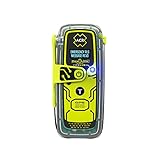
- RLS (Return Link Service) confirms that Search and Rescue has received the emergency distress signal, alerting the beacon owner.
- Digital display with infrared strobe for clear visibility and enhanced signal detection in emergency situations.
- No subscription required, 5-year battery life, and 28+ hours of operational life for reliable performance in emergencies.
- GPS, Galileo GNSS, and MEOSAR compatibility provide global coverage for reliable and accurate positioning in any emergency situation.
- Built-in buoyancy, compact and lightweight design, with a multifunction clip system for easy attachment and portability during outdoor adventures.
McMurdo FastFind 220 Personal Locator Beacon – US Programming

Programmed for US users, the McMurdo FastFind 220 pairs fast emergency activation with worldwide rescue coverage. You register it with US Search and Rescue contacts, so responders can reach you faster. If danger turns grave and imminent, deploy the antenna, pull the anti-tamper seal, and press ON. You shouldn’t use it casually; false alerts waste rescue resources and can bring penalties. This proven PLB works in harsh remote conditions, and its RF design supports travel. It’s compact at 4.33 x 1.18 x 4.33 inches, weighs 14.9 ounces, and includes a pouch.
Best For: Users in the US who need a compact, reliable personal locator beacon for emergency-only use in remote or high-risk environments.
Pros:
- Pre-programmed for US registration with direct connection to US Search and Rescue contacts.
- Proven to work in extreme conditions and worldwide coverage for travel.
- Compact, lightweight design includes a pouch for carrying.
Cons:
- Intended only for grave and imminent danger situations, not casual use.
- Requires proper registration and responsible use; false alerts can lead to penalties.
- US programming may not be ideal if you need a beacon registered in another country.

- This Personal Locator Beacon is pre programmed for registration with the US country code. Whilst it will function anywhere around the world, the initial point of contact during an emergency situation would be the US Search and Rescue authorities with whom the PLB would be registered.
- If you require registration outside of the US, please purchase our alternative listing for 'McMurdo Fast Find 220 PLB - Programmed for Rest of World '. We include at no charge a reprogramming service on this alternative listing to ensure the device can be registered in the country of your choice.
- Registering your Personal Locator Beacon is required by law in most countries. Registering is very important because should your beacon ever be activated, it is how Search and Rescue Teams will know who you are, and contacts provided may be able to supply information about your specific travel plans. In the absence of this information, it may take longer for a search-and-rescue operation to begin.
- PLBs have been proven, tried and tested in some of the world's most remote locations and treacherous conditions. Even in extreme conditions and situations, the FastFind 220 activates easily. Just deploy the antenna, pull the anti-tamper seal and press the ON button.
- This PLB should only be used in situations of grave and imminent danger to life. False alerts endanger lives and cause expensive disruption to Search and Rescue services. Deliberate misuse of the device could result in a penalty.
Garmin inReach Mini 2 Satellite Communicator (010-02602-00)

For solo trekkers and remote explorers, Garmin’s inReach Mini 2 keeps help within reach. You get a 99 g, waterproof handheld with a bright 1.27-inch sunlight-readable display, a one-touch screen, and a carabiner-ready body. With a satellite plan, you can send two-way global messages, trigger interactive SOS, share coordinates, and retrace your route with TracBack. Its digital compass works while you’re still, and GPS, Galileo, and QZSS boost positioning. Pair it with Garmin Explore via Bluetooth or USB, and you can plan trips, sync waypoints, and track for up to 14 days.
Best For: Solo trekkers, backpackers, and remote explorers who want a compact satellite communicator for messaging, SOS, tracking, and basic navigation off the grid.
Pros:
- Two-way global satellite messaging with interactive SOS and TracBack routing.
- Very compact and lightweight at 99 g, with a durable waterproof build and readable sunlight display.
- Strong battery life and useful connectivity with Garmin Explore via Bluetooth or USB.
Cons:
- Requires an active satellite subscription plan, adding ongoing cost.
- Small screen and compact design are less convenient for detailed navigation or typing.
- Some features and satellite communication use may be limited by local regulations and coverage conditions.

- Compact, lightweight satellite communicator enables two-way messaging and interactive SOS globally (Active satellite subscription required. Some jurisdictions regulate or prohibit the use of satellite communication devices.).Special Feature:Bluetooth.Water Resistant: Yes
- Navigate back to where you started by using TracBack routing
- Share your location with loved ones back home at any time (active satellite subscription required) by using your MapShare page or with your coordinates embedded in your messages
- Get accurate heading information using the digital compass — even when you’re not moving
- Sync with the Garmin Explore app and website on your compatible smartphone for trip planning and topographical mapping, and create waypoints, courses, activities and collections you can sync to your device

Jotron SA20 PLB Personal Locator Beacon

If you need rapid global distress signaling, the Jotron SA20 PLB fits safety-first travelers well. You get a SOLAS-approved beacon programmed for US registration, and Jotron offers free reprogramming after purchase if you need it elsewhere. It transmits on 406/121.5 MHz with GPS and Galileo GNSS, plus Return Link Service so you’ll know your alert was received. NFC, Bluetooth, and USB support make status checks easy, and the 11-year battery helps you stay ready. Registration’s legally required in most countries, linking you to rescuers faster.
Best For: Safety-conscious travelers, sailors, and adventurers who want a SOLAS-approved PLB with global distress signaling, GPS/Galileo positioning, and easy status checks.
Pros:
- 406/121.5 MHz distress signaling with GPS and Galileo GNSS for worldwide emergency use
- Return Link Service confirms your alert was received and location identified
- NFC, Bluetooth, USB charging, and an 11-year battery make monitoring and maintenance convenient
Cons:
- Registration is legally required in most countries, which adds an extra setup step
- Programmed for US registration by default, so some buyers may need free reprogramming after purchase
- Limited portability compared with smaller personal safety devices, since it weighs 2 pounds

- US REGISTRATION LISTING – This Jotron Tron SA20 PLB Personal Locator Beacon is programmed to be registered in the US. If you need a device outside the US, please refer to our separate listing. This PLB can be reprogrammed for free after purchase if needed. Registration is legally required in most countries and ensures a faster search-and-rescue response by linking the device to your identity and travel plans.
- GLOBAL EMERGENCY COVERAGE: Operates on 406/121.5 MHz frequencies, ensuring worldwide distress signal transmission for both maritime and land-based emergencies.
- RETURN LINK SERVICE (RLS) CONFIRMATION: Features RLS feedback, providing assurance that your distress signal has been received and your location identified.
- INTEGRATED NFC CONNECTIVITY: Equipped with Near-Field Communication, allowing easy status readout via smartphone for convenient monitoring.
- LONG-LASTING BATTERY LIFE: Boasts an 11-year battery lifespan, ensuring reliability when you need it most.
ZOLEO Satellite Communicator with SOS and GPS

The ZOLEO Satellite Communicator keeps you connected anywhere with SOS, GPS, and two-way messaging. You can send global SMS, e-mail, and long messages up to 900 characters through Iridium, cellular, or Wi‑Fi, all from the Android or iOS app. If trouble hits, 24/7 SOS monitoring shares your GPS position, and you can request non-emergency Medical Assist help. You’ll also get free check-ins, waypoint sharing, weather forecasts, and easy device sharing. Its IP68 body, 200-hour battery, and GPS/Galileo navigation help you travel confidently. The ZL1000 includes a 2-year warranty and lifetime battery coverage.
Best For: Outdoor travelers, remote workers, and emergency-conscious adventurers who need reliable satellite messaging, SOS support, and location sharing when off the grid.
Pros:
- Two-way global messaging with SMS, email, and long messages up to 900 characters.
- 24/7 SOS monitoring with GPS tracking plus non-emergency Medical Assist support.
- Durable IP68 build, long battery life, and helpful extras like weather forecasts and waypoint sharing.
Cons:
- Requires app and device setup, which may be less convenient than a simple standalone phone.
- Satellite communication is best for essentials rather than high-volume or fast messaging.
- Access to some advanced rescue-related benefits may depend on optional membership.
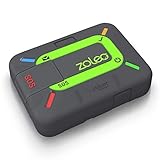
- Global satellite messaging: Stay connected beyond cell coverage, use ZOLEO with your smartphone to transmit text messages and e-mails over the Iridium satellite network, cellular or Wi-Fi using the lowest-cost network available (service plan required)
- Emergency SOS: Send an SOS alert with your GPS location to 24/7 emergency monitoring center if something goes wrong, or access Medical Assist for non-emergency help
- Optional Travel Risk Management Coverage: Feel more secure wherever you go with a Field Rescue Membership from Global Rescue. Affordably priced, this travel risk management add-on offers immediate medical coverage for safe extraction and transportation to the nearest capable medical facility.
- Dedicated SMS number: An assigned ZOLEO SMS number and email enables contacts to reach out directly when you're off the grid
- Check-in: Send unlimited check-ins via the ZOLEO device or app, included in your plan
ACR RESQLink AIS Personal Locator Beacon (PLB-450)

Need global distress coverage without a subscription? The ACR RESQLink AIS Personal Locator Beacon (PLB-450) gives you 406 MHz COSPAS-SARSAT MEOSAR alerting, plus 121.5 MHz homing for nearby rescue teams. It also broadcasts AIS distress messages to vessels within about five miles, conditions permitting, and sends Return Link Service confirmation so you’ll know help got your signal. You can check battery life, tests, and GNSS data through NFC and the mobile app. Lightweight, yellow, and built with clips for PFDs, it includes strobe and infrared strobe, runs 24+ hours, and uses included lithium batteries.
Best For: Boaters, kayakers, and other outdoor users who want a subscription-free personal locator beacon with global distress alerting, AIS visibility, and mobile app/NFC status checks.
Pros:
- Combines 406 MHz COSPAS-SARSAT, 121.5 MHz homing, AIS distress broadcasting, and Return Link Service for robust emergency signaling.
- No subscription required, with NFC and app access to battery, test, and GNSS data.
- Lightweight design with included clips, strobe/infrared strobe, and 24+ hour operational life.
Cons:
- AIS alert range is limited to vessels within roughly a 5-mile radius and depends on conditions.
- Requires understanding of beacon features and proper mounting/activation for effective use.
- Battery life is specified at 5 years, which means eventual replacement/service is necessary.

- AIS (Automatic Identification System) sends a distress alert on VHF frequencies, received by vessels with AIS receivers or plotters within a 5-mile radius (conditions apply).
- RLS (Return Link Service) confirms that Search and Rescue has received the emergency distress signal, alerting the beacon owner.
- NFC technology allows easy access to beacon data via mobile, showing battery life, tests, activation time, and detailed GNSS test info, including map and accuracy.
- 406 MHz COSPAS-SARSAT distress signal (MEOSAR compatible) and 121.5 MHz local homing signal for enhanced emergency location and rescue.
- Small, lightweight design with global coverage, no subscription required, strobe & infrared strobe lights, and a multifunction clip system for easy attachment.
Spot Gen 4 Satellite GPS Messenger

For adventures beyond cell service, the Spot Gen 4 keeps you connected with SOS GPS alerts. You can send precise coordinates to rescuers with one press, and motion-activated updates share your location on the Globalstar network. It works worldwide, but you’ll need a subscription, with basic and premium plans available. The handheld unit weighs 142 g, measures 11.42 × 1.97 × 5.51 inches, and uses a rechargeable battery with USB charging. You also get a silicone strap, carabiner, spare batteries, and a quick-start guide, plus a limited warranty and 30-day return window.
Best For: Adventurers, hikers, and remote travelers who need reliable SOS communication and location sharing beyond cellular coverage.
Pros:
- Sends precise GPS coordinates via SOS for emergency rescue.
- Provides motion-activated updates over the Globalstar satellite network worldwide.
- Includes useful accessories like a strap, carabiner, spare batteries, and USB charging support.
Cons:
- Requires a subscription, which adds an ongoing cost.
- Bulkier than many handheld devices at 142 g and over 11 inches long.
- Limited to satellite-messenger functionality rather than full two-way communication.

- MEANT FOR ADVENTURE: Spot Gen4 provides critical, life-saving line of communication when you travel beyond cell towers; Let family know you're ok or push the SOS button to send your GPS to emergency responders if you need help
- NO CELL PHONE OR SERVICE-NO PROBLEM: With the Tracking feature Gen4 can transmit location updates when you are moving and when you stop; Keep one in your child's backpack for the walk home
- GLOBALSTAR SATELLITE & SPOT products use GPS to determine location and transmit GPS coordinates to others; SPOT users can notify friends, family or emergency rescue their exact GPS coordinates
- WHAT'S IN THE BOX: SPOT Gen4 device, Strap and Carabiner, USB Cable, Batteries and quick start guide; Subscription required; Two service plans available
- PURCHASE, ACTIVATE, EXPLORE: Grab a Spot Gen4; Activate by selecting your service plan; Get out there and explore the world with peace of mind
Nautilus LifeLine Marine Rescue GPS nexGen

Built for boaters and divers, the Nautilus LifeLine Marine Rescue GPS nexGen sends man-overboard alerts fast. You can trigger a digital VHF distress signal that reaches AIS-equipped ships up to 34 miles away, or send a non-emergency position advisory to nearby vessels. It also sends a DSC message to your own boat’s radio. The compact, 4.6-ounce unit is IP68 sealed, waterproof, and depth-rated to 425 feet with the lid closed. Its built-in GPS, touchscreen LCD, and USB charging make it easy to use. You get global coverage, with regional feature differences.
Best For: Boaters, divers, and surf or dive-boat crews who want a compact marine rescue GPS for fast man-overboard distress alerts and location sharing.
Pros:
- Sends digital VHF distress alerts to AIS-equipped ships and a DSC message to your own vessel’s radio.
- Compact, lightweight, and rugged with IP68 waterproof sealing and depth rating to 425 ft.
- Built-in GPS, touchscreen LCD, and USB charging make it practical and easy to use.
Cons:
- Rescue features depend on AIS/DSC-equipped receivers and regional coverage may vary.
- Limited communication options compared with full-featured marine radios or satellite devices.
- Designed for emergency/location alerts, not general two-way voice communication.

- “Distress Alert” for emergencies and “Position Advisory for non-emergencies. Functionality may vary in some European countries.
- Works worldwide (functionality may vary).
- GPS position accurate to 1 meter.
- Uses VHF radio waves to send digital signals.
- Alerts AIS (Automatic Identification System) equipped vessels within the rescue range.
Ocean Signal rescueME PLB1 Personal Locator Beacon

If you want a compact beacon that works one-handed in emergencies, the Ocean Signal rescueME PLB1 stands out. You get a 66-channel GPS receiver, so rescuers can pinpoint your location fast, and the bright 1-candela strobe helps you stay visible. It’s waterproof to 49 feet, runs for 24+ hours, and uses an included lithium battery rated for seven years. At just 4.1 ounces and 3 x 2.1 x 1.3 inches, it slips onto a lifejacket with its clip or fits easily in a pack. No subscription’s required.
Best For: Boaters, paddlers, and outdoor adventurers who want a compact, one-handed emergency beacon with GPS tracking and no subscription fees.
Pros:
- 66-channel GPS receiver helps rescuers pinpoint your location quickly.
- Very compact and lightweight, with a clip for easy lifejacket attachment or pack storage.
- Waterproof to 49 feet with 24+ hours of operational life and an included long-life battery.
Cons:
- Designed for emergencies only, so it doesn’t offer everyday communication features.
- Battery replacement/service may be needed after its 7-year battery life.
- Higher upfront cost than basic safety gear, especially if you may never need to use it.

- Personal Locator Beacon: Keep safe on every trip with the rescueME PLB1, our most compact locator beacon yet.
- One-Handed Operation: Highly intuitive, the PLB1 can be operated easily with one hand in even the most challenging situations, ensuring you can always activate the beacon when you need it.
- Highly Compact: 30% smaller than our next smallest beacon, and weighing just 4 oz, the PLB1 takes minimal space in your backpack and attaches easily to your lifejacket with the unique mounting clip.
- Durable Everywhere: Designed with durability in mind, the PLB1 is waterproof up to 49 feet, helping you stay safe in even the harshest of conditions.
- Stay Seen: The PLB1 features a 66 channel GPS receiver and a 1 candela high-intensity strobe light, ensuring maximum geolocation coverage and visibility when you need it most.
Garmin inReach Messenger Plus Satellite Communicator with Messaging

Garmin’s inReach Messenger Plus suits you if you need reliable two-way messaging off-grid. You can send texts up to 1,600 characters, share photos, and record 30-second voice messages, while preset check-ins don’t count against your allotment. If trouble hits, you can trigger interactive SOS, and Garmin Response coordinates help 24/7. Live GPS sharing and TracBack keep others informed and help you retrace your route. The rugged, IPX7-rated unit is compact, lightweight, and weather-ready. It syncs with the Garmin Messenger app, watches, and handhelds, and its battery lasts up to 25 days.
Best For: Adventurers, hikers, campers, and remote workers who need dependable off-grid messaging, SOS safety features, and long battery life in a compact, rugged communicator.
Pros:
- Supports two-way texting, photo sharing, and 30-second voice messages for flexible communication.
- Includes interactive SOS with Garmin Response, plus live GPS sharing and TracBack navigation for safety.
- Rugged, IPX7-rated design with up to 25 days of battery life in tracking mode.
Cons:
- Satellite messaging may require clear sky view and can be slower or less reliable than cellular service.
- Smaller 1.08-inch display and limited audio output make the device less ideal for rich media use.
- Advanced features and satellite communication may come with added service/subscription costs.

- Compact SOS satellite communicator enables two-way text, photo and voice messaging even in areas with no cell coverage; requires active subscription (some jurisdictions regulate or prohibit the use of satellite communication devices)
- Connect with your compatible smartphone using the Garmin Messenger app to share your adventures with multiple contacts simultaneously; send text messages with up to 1,600 characters, share photos and send 30-second voice messages with friends and family
- Explore with peace of mind knowing you can trigger an interactive SOS message to Garmin Response℠, a 24/7-staffed international coordination center, to seek help in an emergency (active subscription required; some jurisdictions regulate or prohibit the use of satellite communication devices)
- Check in with friends and family by using preset phrases that do not count against your monthly allotted text messages, or send custom messages when you have more to say
- Optimized inReach device messaging uses either Wi-Fi technology or the cellular connection of your smartphone then seamlessly switches to satellite technology when you go beyond cell service (active subscription required; some jurisdictions regulate or prohibit the use of satellite communication devices)
Orion 547 Electronic SOS Beacon Locator Kit

The Orion 547 suits mariners who need a bright, USCG-approved SOS signal they can deploy fast. You get a floatable, self-righting beacon with molded grips and a lanyard, so you can handle it easily in rough water. Its waterproof unit sends Morse-code flashes and shines well beyond the Coast Guard minimum, while SOLAS-grade reflective tape boosts daylight and night visibility. You’ll also have an intuitive switch and a quick-flash low-battery alert. It runs on two D-cell batteries, sold separately, and meets 46 CFR 161.013 and 33 CFR 175.130.
Best For: Mariners and boaters who need a fast-deploying, USCG-approved SOS beacon with strong nighttime visibility and easy handling in rough water.
Pros:
- Floatable, self-righting design with molded grips and a lanyard for easier emergency use
- Bright Morse-code SOS flashes with visibility that exceeds the Coast Guard minimum
- Meets 46 CFR 161.013 and 33 CFR 175.130, with SOLAS-grade reflective tape for added visibility
Cons:
- Requires 2 D-cell batteries, which are not included
- Primarily useful for marine emergencies, so it’s a specialized item
- Bulkier than a simple handheld signaling device due to its beacon kit form factor

- Bright SOS Distress Signal – Flashes the internationally recognized SOS signal in Morse code, with a runtime and brightness 2.5 times longer than U.S. Coast Guard requirements, ensuring high night-time visibility during emergencies.
- Multiple Deployment Options: Designed for versatility with floatable, self-righting capabilities, molded handheld grips, and lanyards for easy hanging, making it perfect for various emergency situations.
- Low Battery Indicator & Waterproof Design: The unit quick-flashes for 5 seconds when batteries need replacing, and its waterproof, intuitive on/off switch ensures reliable use in harsh marine conditions.
- Durable Construction with SOLAS Reflective Tape: Equipped with SOLAS-grade reflective tape at the waterline for enhanced visibility, this device is packaged in a 4-color plastic case and requires 2 D-cell batteries (not included).
Factors to Consider When Choosing a Personal Locator Beacon
When you choose a personal locator beacon, check the emergency signal types it supports and make sure it uses reliable GPS or GNSS positioning. You’ll also want strong battery life, a compact size that’s easy to carry, and a setup that fits your subscription and registration needs.
Emergency Signal Types
Choosing the right personal locator beacon starts with the signal it can send, because that determines who can find you and how quickly. You’ll usually want a 406 MHz satellite distress alert, which reaches the Cospas-Sarsat network, plus a 121.5 MHz homing signal so nearby rescuers can zero in on you. Some beacons add LED strobes for low-light visibility and infrared strobes for night-vision detection. If you want extra reassurance, look for Return Link Service, which confirms your distress call was received. On the water, VHF AIS or DSC can alert nearby vessels within a limited range. For short-range, line-of-sight backup, SOS flashing and reflective SOLAS-grade features can help, especially when replaceable batteries keep the device ready.
GPS And GNSS
Even though a beacon’s distress call matters most, its GPS or GNSS support can make rescue faster by sending your exact location along with the 406 MHz alert. You should check whether the unit uses GPS alone or adds other GNSS networks, such as Galileo, because extra satellite options can improve accuracy and reliability. That matters when you’re in canyons, dense forest, or rugged terrain, where visibility is limited. Look for models that clearly state GPS/GNSS support, since that tells you what satellites the beacon can use to calculate your position. Some units also advertise global navigation coverage, which helps transmit coordinates more precisely and consistently. When your beacon pairs location data with the emergency signal, rescue teams get both the alert and the coordinates they need to find you faster.
Battery Life And Power
Battery life deserves a close look, because a PLB that sits ready for years but fades quickly after activation won’t help much in an emergency. You should compare shelf life and standby readiness, since some units promise about five years, while others last seven to eleven years before replacement. Also check how long it’ll transmit after you trigger it; many models claim roughly 24 to 28-plus hours of operation once activated. Verify whether the beacon uses one lithium metal battery or two, because total capacity can extend runtime. You should also confirm whether the battery is disposable or rechargeable, since that changes your power plan. Finally, look for clear battery indicators or low-power warnings so you can judge readiness before you head out with confidence.
Size And Portability
When you’re picking a personal locator beacon, size and weight matter more than you might expect. You want a compact unit that slips into a pocket, pack, or clipped spot without getting in your way. Most models run about 4.3 to 4.5 inches long, so they stay easy to carry on hikes, hunts, and boat trips. Weight matters too: many beacons fall between 4.1 and 6.8 ounces, which feels light enough for all-day use. Check thickness and shape as well; around 1.1 to 1.5 inches helps prevent snagging on a belt, PFD, or backpack strap. If you prefer fast access, choose a beacon with a secure clip or strap-friendly mount so you can grab it quickly and activate it one-handed.
Subscription And Registration
Although a PLB often has no ongoing distress-alert subscription fee, you still need to handle registration carefully because it links the beacon to your identity, travel plans, and emergency contacts. In many countries, you must register the unit before you head out, and that record helps rescuers reach the right people faster. Check whether your beacon is US-programmed or rest-of-world programmed, and make sure your registration country matches so alerts route correctly. Some brands offer free reprogramming after purchase if you switch regions, which can save you hassle. Also look for Return Link Service confirmation. RLS doesn’t replace registration, but it can tell you the distress signal was received, which adds peace of mind when you’re far from help.
Frequently Asked Questions
Can I Register My PLB Internationally?
Yes, you usually can register your PLB internationally, but you’ll need to follow the rules of the country where you live or plan to use it. You register it with the national authority tied to your beacon’s registration code, and they’ll share your details with rescue teams worldwide. Check manufacturer guidance, update your info promptly, and confirm your beacon’s country-specific requirements before you head out.
How Often Should I Test a Personal Locator Beacon?
You should test your personal locator beacon only as often as the manufacturer recommends, usually with a brief self-test every month. You can do a live test only during approved test windows, if your model supports it. Always check the battery status before trips, and replace the unit or battery on schedule. If you haven’t used it in a while, test it before every major adventure.
Do PLBS Work Inside Caves or Dense Forests?
No, you shouldn’t count on a PLB inside caves or thick forests. You can block or weaken the satellite signal, so your beacon may take longer to get a fix or might not transmit well at all. If you’re underground, move toward open sky before activating it. In dense woods, try to reach a clearing. Always carry backup navigation and communication tools when you’re heading into remote terrain.
Can I Replace the Battery Myself?
Usually, you can’t replace it yourself; many PLBs use sealed batteries, and the manufacturer must service them. That matters because search-and-rescue teams save roughly 7,000 lives worldwide each year with distress beacons, and you want yours ready. Check your manual, though: a few models let you swap batteries only with special parts or tools. If you tamper with it, you could void the warranty and compromise reliability.
What Should I Do After Accidentally Activating SOS?
You should cancel the SOS immediately if your device lets you, then contact the rescue center and tell them it was accidental. Stay put until they confirm they’ve received your message, because help may already be on the way. If you can’t cancel, keep the beacon on and explain the mistake when responders contact you. Later, check your device settings and practice the activation steps so you won’t trigger it again.
Conclusion
When you choose the right personal locator beacon, you give yourself a lifeline that works like a lighthouse in a storm. Whether you prefer a simple PLB or a satellite communicator with two-way messaging, you’re investing in peace of mind for every trail, route, and remote getaway. Before you head out, consider battery life, size, GPS accuracy, and emergency coverage so you can stay safer, smarter, and ready for whatever comes next.